The short version
- Focus on consuming single-ingredient foods or foods with multiple ingredients in which you are fully aware of all ingredients and their function.
- Start by eliminating EWG’s Dirty Dozen, then continue to learn about other ingredients.
- Avoid seed and vegetable oils, and artificial and natural flavors.
- Commit to fully eating clean within your home, and don’t allow processed groceries or takeout in. When not at home, bring snacks or meals when possible, and just do your best when occasionally dining out.
Becoming an “ingredient household” has been life-changing for my family. Below is a summary of the guidance and personal rules that helped me make the transition. It has been a long journey, but I feel so much better in my body, and I’m not turning back!
Ultra-processed foods
NOVA describes ultra-processed foods as industrial formulations made mostly from substances extracted from foods, modified food components, and additives, with little or no intact whole food remaining.1
When grocery shopping, I focus on single-ingredient and minimally processed foods whenever possible. For anything that is not a whole food, I read the ingredient label. If I don’t recognize an ingredient, I look it up. While I was learning, I often researched ingredients even when I thought I recognized them.
I also pay closer attention when a product has a particularly long ingredient list. The number of ingredients does not determine whether a food is healthy or safe, but it can be a useful signal that I should take a closer look.
EWG’s Dirty Dozen
The Environmental Working Group publishes a “Dirty Dozen Guide to Food Chemicals,” which identifies the following ingredients as substances it recommends avoiding or limiting:2
- Potassium bromate
- Propylparaben
- Butylated hydroxyanisole, or BHA
- Butylated hydroxytoluene, or BHT
- Titanium dioxide
- Certain synthetic food dyes
- Aspartame
- Azodicarbonamide, or ADA
- Propyl gallate
- Tertiary butylhydroquinone, or TBHQ
- Sucralose
- Sodium nitrite
While the exact implications of these ingredients are under debate, I still choose to avoid them when possible, especially because some are potentially linked to carcinogenicity. I’d rather not chance it.
Vegetable and seed oils
These oils are highly inflammatory, potentially contributing to countless health conditions and diseases, so I avoid them. These include:
- Canola oil
- Corn oil
- Cottonseed oil
- Safflower oil
- Soybean oil
- Sunflower oil
- Vegetable oil
Natural flavors
I avoid products containing artificial flavors. I also avoid products listing “natural flavors.”
The FDA defines natural flavors broadly as “the essential oil, oleoresin, essence or extractive, protein hydrolysate, distillate, or any product of roasting, heating or enzymolysis, which contains the flavoring constituents derived from a spice, fruit or fruit juice, vegetable or vegetable juice, edible yeast, herb, bark, bud, root, leaf or similar plant material, meat, seafood, poultry, eggs, dairy products, or fermentation products thereof, whose significant function in food is flavoring rather than nutritional.”3
My main issue is lack of transparency. The vague term “natural flavors” does not tell me exactly what was used or how it was produced. Knowing what is in my food is one of my main priorities, so I go with products that identify their flavoring ingredients more clearly.
Questions to guide you
These are some of the questions I use when deciding whether to buy a product:
- Do I know what this ingredient is?
- Could I reasonably use or make this ingredient in my own kitchen?
- Is it available as an individual food or cooking ingredient?
These questions are simply a starting point, helping me slow down, research unfamiliar ingredients, and make choices that align with the way I want my family to eat.
What keeps me on track
It doesn’t take long for all of this to feel overwhelming, so here are some general tips that help me stay on track when I’m frustrated:
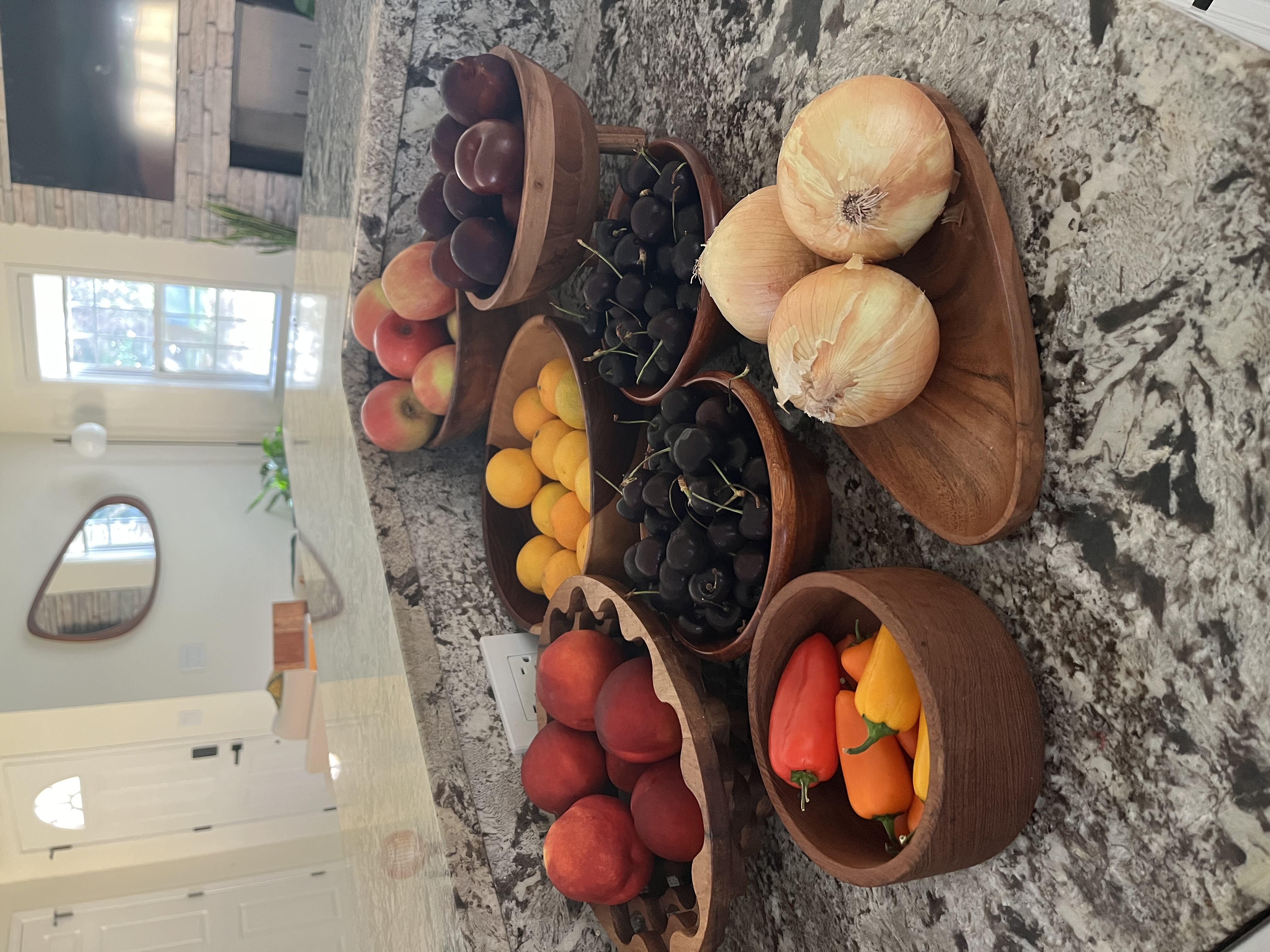
I try to remember that I am in full control of what enters my house. I am very strict with grocery shopping, and preparing as many meals as possible at home. This accounts for 80–90% of my consumed food, so it makes a huge difference.
Eating out is impossible to avoid sometimes. Every opportunity I get, I bring my own snacks when traveling and meal plan when there are opportunities to cook my own food. On the rare occasion that I have to eat out, I just try to do my best and not feel too bad about it.
A personal note: This reflects my experience, not medical advice. Nutrition changes can affect health conditions and medications, so bring your questions to a qualified professional who knows you.